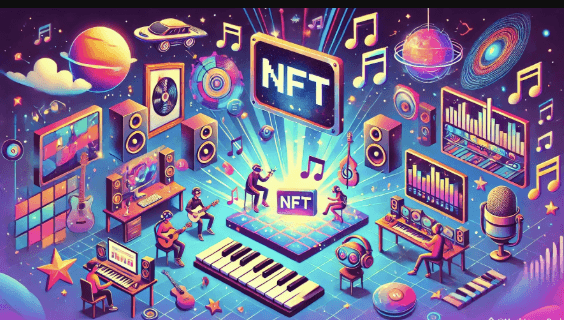

NFTs in art and music promise clearer provenance, fractional ownership, and programmable royalties that can sustain creators. They also offer new access models and collaboration formats that reshape distribution while preserving autonomy. Yet environmental concerns, evolving legal frameworks, and market volatility raise questions about sustainability and risk management. Governance, standards, and protections must align to prevent fragmentation and ensure fair compensation. The path forward invites makers and collectors to weigh opportunity against complexity, as tensions between experimentation and rights protections tighten.
What NFT Art and Music Are Today
NFT art and music today sit at a crossroads of ownership, provenance, and distribution. The landscape reveals evolving markets and platforms that reframe value through tokenized assets, traceable histories, and verifiable scarcity. Analysts note two word discussion ideas emerging: collaboration, monetization.
Subtopic “art ownership” informs custody and authenticity, while “royalty contracts” reshape creator compensation, transparency, and ongoing rights, balancing experimentation with practical governance.
How NFTs Create New Revenue and Access
The integration of non-fungible tokens into art and music creates new revenue streams and access pathways by linking digital assets to verifiable ownership, programmable royalties, and expanded distribution.
This framework reveals opportunities for monetization through creators’ control, tiered offerings, and resale incentives, while enabling new access models that unlock participation for diverse audiences without sacrificing independence or authenticity.
The Risks: Environmental, Legal, and Market Volatility
Emerging from the potential described earlier, the risks surrounding environmental impact, legal frameworks, and market volatility shape a different dimension of NFT-based art and music.
Critics note energy concerns and inconsistent regulations, while investors weigh liquidity and speculative shifts.
The dialogue emphasizes due diligence, transparent provenance, and adaptable models that mitigate risk without stifling creative freedom or market innovation, enabling informed participation.
Governance, Standards, and Protecting Creators
Governance, standards, and protections for creators shape the reliability and scalability of NFT-based art and music, where clear frameworks influence trust, interoperability, and fair compensation. The discussion centers on governance frameworks, standardization efforts, and protecting creators within licensing ecosystems, while beneficiary rights define who benefits from works. Careful alignment prevents fragmentation and empowers artists to participate with autonomy and clarity.
See also: The Future of BioTech Innovations
Frequently Asked Questions
How Do NFTS Influence Artist-Collector Relationships Beyond Sales?
NFTs influence artist-collector relationships beyond sales by enabling collaborative curation and ongoing provenance, fostering trust and dialogue; they enable immersive experiences, transparency, and shared ownership, guiding communities toward more intentional, autonomous participation within creative ecosystems.
Can NFTS Ensure Long-Term Provenance and Authenticity Verification?
Yes, NFTs can aid long term provenance and authenticity verification, but outcomes depend on robust metadata and governance; they shape artist collector relationships by enhancing transparency, while inviting scrutiny, adaptability, and freedom-minded collaboration—like a lighthouse guiding unshaken trust.
What Role Do Royalties Play Across Secondary Markets for Art and Music?
Royalties in secondary markets fuel ongoing incentives within royalty ecosystems, supporting creators while shaping price signals; provenance tracking underpins trust, reducing disputes and reinforcing sustainable value across art and music ecosystems.
How Do Cultural Impacts and Communities Shape NFT Adoption?
Cultural identity shapes adoption by signaling value, fostering trust, and guiding norms; cultural identity shapes adoption by signaling value, fostering trust, and guiding norms. Communities influence governance, participation, and resilience; community governance channels participation, feedback loops, and equitable decision-making.
What Interdisciplinary Collaborations Are Emerging Between Artists, Developers, and Curators?
Interdisciplinary collaborations are integrating artists, developers, and curators through immersive collaborations and interdisciplinary funding, enabling hybrid studios and residency models. They foster experimental ecosystems, where funding aligns with risk and curiosity, empowering scalable experiments and culturally resonant, audience-facing projects.
Conclusion
NFTs in art and music sit at a crossroads of innovation and caution. They unlock new revenue, provenance, and access, while inviting scrutiny over environment, regulation, and market swings. Governance, standards, and transparent royalties are essential to prevent fragmentation and protect creators. As a metamorphic lighthouse in a changing sea, the ecosystem must balance experimentation with user rights, building an interoperable framework that sustains artistry and trust for both creators and collectors.

 By
By